Key Criteria for Selecting a Darknet Market
- Security Features
- We prioritize markets offering robust security, such as mandatory 2FA (Two-Factor Authentication) and PGP (Pretty Good Privacy) encryption for messages. These features are critical for protecting your account from unauthorized access and ensuring the confidentiality of your communications.
- Vendor Vetting and Reputation System
- A reliable market should have a clear process for vetting vendors and a transparent feedback system. We look for markets where vendor history, dispute resolution rates, and user reviews are easily accessible, helping you assess trustworthiness before a transaction.
- Escrow and Dispute Resolution
- Effective escrow services are essential to mitigate risks. We examine how markets handle disputes, including the availability of multisig escrow and fair mediation processes, which protect both buyers and sellers in case of issues.
- Market Longevity and Stability
- Newer markets carry higher risks of exit scams or sudden closures. We consider the market's operational history and consistent uptime, as established platforms often demonstrate greater stability and a proven track record.
- User Interface and Accessibility
- While not directly security-related, a clear and intuitive interface reduces the chance of operational errors. We evaluate how easy it is to navigate, search for products, and understand market rules, which contributes to a safer user experience.
Darknet Market Safety Checklist: Comparison of Key Preparation Areas
- Preparation Area
- Understanding Darknet Markets: What They Are and How They Operate
- Primary Risk Addressed
- Legal liability and misunderstanding of ecosystem
- Technical Complexity
- Low (conceptual)
- Time Investment
- 1–2 hours reading
- Critical Actions
- Learn that browsing is legal but purchasing illegal goods makes you liable to prosecution [1]; understand that drugs account for ~67% of listings [2]
- Consequence of Skipping
- Unintentional criminal activity; inability to assess vendor legitimacy
- Preparation Area
- Navigating Darknet Markets: Essential Preparations Before You Buy
- Primary Risk Addressed
- Identity exposure and malware infection
- Technical Complexity
- Medium (software setup)
- Time Investment
- 2–4 hours for Tor, wallet, PGP
- Critical Actions
- Install Tor Browser for anonymizing network access [4]; set up cryptocurrency wallet; generate PGP keys for encrypted communication
- Consequence of Skipping
- Direct IP exposure; unencrypted addresses sent to vendors; funds traceable
- Preparation Area
- Identifying and Mitigating Risks on Darknet Markets
- Primary Risk Addressed
- Exit scams and product safety
- Technical Complexity
- Low (awareness)
- Time Investment
- 30 minutes per market check
- Critical Actions
- Verify that 31% of markets exit-scam [2]; check market lifespan (typically <4 months [2]); recognize that pills are made in unregulated environments [3]
- Consequence of Skipping
- Loss of funds in exit scam; health harm from uncertain product contents
- Preparation Area
- Choosing a Darknet Market: Key Factors for Evaluation
- Primary Risk Addressed
- Market collapse and fund loss
- Technical Complexity
- Medium (research)
- Time Investment
- 1–2 hours per market
- Critical Actions
- Prioritize multisig escrow (2-of-3 key arrangement removes single point of failure [5]); verify external reputation on forums like Dread [5]; avoid markets <3 months old
- Consequence of Skipping
- Funds held in pooled escrow disappear when market exits; no recourse for disputes
- Preparation Area
- Making a Purchase: A Step-by-Step Guide to Transactions
- Primary Risk Addressed
- Vendor scams and payment release errors
- Technical Complexity
- High (operational)
- Time Investment
- 15–30 minutes per order
- Critical Actions
- Never finalize early (most common scam vector for new vendors [5]); use escrow; verify vendor has high completed order count and months-old rating [5]
- Consequence of Skipping
- Payment released before goods arrive; no dispute mechanism; direct loss of cryptocurrency
- Preparation Area
- Post-Purchase Security and Anonymity Best Practices
- Primary Risk Addressed
- Retrospective identification and evidence retention
- Technical Complexity
- Medium (operational hygiene)
- Time Investment
- Ongoing habit
- Critical Actions
- Wipe PGP-decrypted addresses immediately after memorizing; avoid reusing cryptocurrency addresses; clear Tor Browser data after each session
- Consequence of Skipping
- Address history links multiple orders; transaction graph analysis traces identity; law enforcement recovers plaintext communications
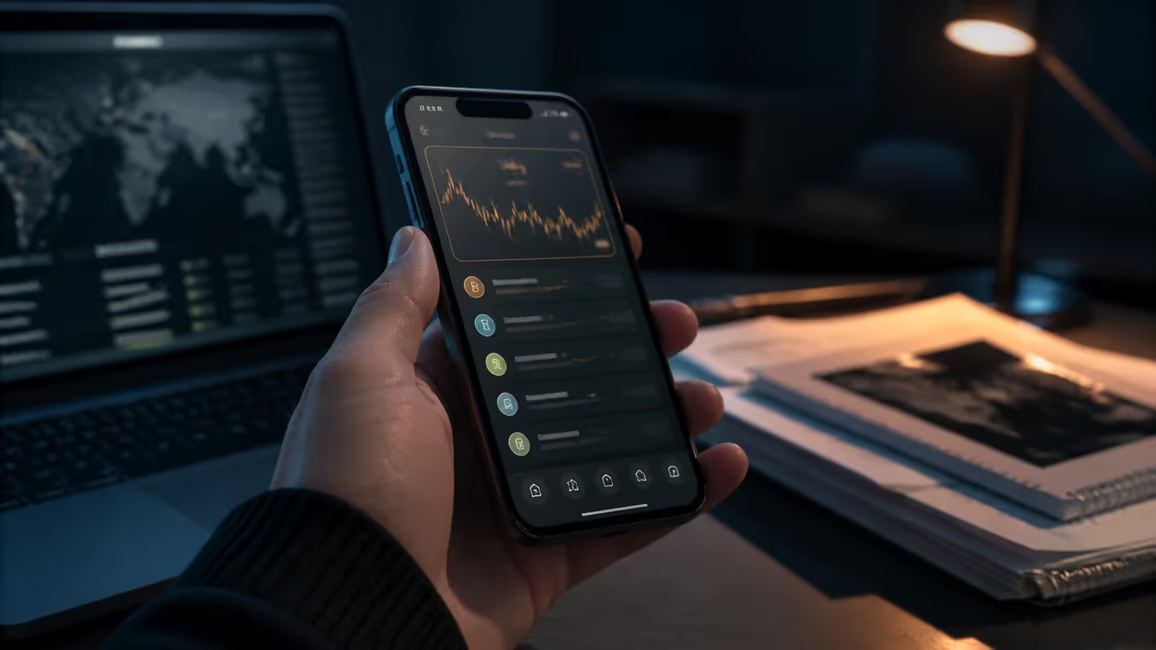
Understanding Darknet Markets: What They Are and How They Operate
Darknet markets are online platforms that facilitate the buying and selling of illegal goods and services, accessible only through anonymizing networks such as Tor (The Onion Router) and typically using cryptocurrency as payment4. They differ from the broader 'deep web'—which includes any unindexed content like password-protected databases—by their focus on commercial transactions and reliance on technologies designed to obscure both the location of the server and the identity of users.
The underlying technology stack consists of three layers: Tor routes traffic through multiple encrypted relays to hide your IP address, cryptocurrency (most commonly Bitcoin or Monero) provides pseudonymous payment, and PGP encryption secures communications between buyer and vendor. Markets themselves resemble conventional e-commerce sites, with search functions, product categories, vendor profiles, star ratings, and shopping carts. The interface is deliberately familiar, which law enforcement notes can make illicit products seem safe and legitimate3.
Approximately two-thirds of listings are related to illicit drugs, with the remaining third consisting of stolen data and credentials, cybercrime tools, counterfeit documents, and fraud services42. Between 2014 and 2022, the proportion of internet users buying drugs on the dark web rose from 4.7% to 10.8%2, reflecting both growing awareness and improved usability. However, the majority of markets have short lifespans—typically less than four months—and around 31% cease to exist because of exit scams, where operators disappear with accumulated customer funds2.
Browsing the darknet itself is not illegal, but purchasing illegal goods or downloading prohibited content makes you liable to prosecution1. Products bought on these markets are often manufactured in unregulated environments, making their contents uncertain and posing significant health risks3. For a broader context on how these platforms fit into the hidden economy, see our Dark Web Market Place: Navigating the Hidden Economy guide.
Navigating Darknet Markets: Essential Preparations Before You Buy
Before placing an order, we recommend completing three distinct setup tasks: securing your operating environment, establishing anonymous payment infrastructure, and configuring encrypted communication. Each layer addresses a specific exposure point—network traffic, financial traces, and message interception—and skipping any one leaves you vulnerable to identification or fund loss.
Start with the Tor Browser, which routes your connection through multiple encrypted relays to hide your IP address and access .onion market URLs4. Download it only from the official Tor Project site, verify the signature if you have the technical skill, and avoid installing browser extensions or plugins that can leak identifying information. We advise against using Tor over a VPN for market access; the VPN provider becomes a single point of failure that can log your real IP and the fact that you connected to Tor, whereas Tor alone distributes trust across multiple independent relays. Run Tor Browser on a clean system—ideally a live USB distribution like Tails that leaves no persistent traces—rather than your everyday laptop.
Next, set up a cryptocurrency wallet that you control, not an exchange account. Markets accept Bitcoin and increasingly Monero; the latter offers stronger privacy by default, obscuring transaction amounts and sender-receiver links. Generate a new receiving address for each deposit to prevent linking multiple orders, and never reuse an address that has already been spent. Fund the wallet in small increments rather than transferring large sums at once, and consider using a mixing service or coin-swap to break the on-chain trail from a regulated exchange to the market deposit address.
Finally, generate a PGP key pair for encrypting your delivery address and communicating with vendors. Most markets require or strongly recommend PGP, and vendors will not ship to plaintext addresses that could be harvested in a database breach. Use a tool like Kleopatra or GPG command-line, create a key with a strong passphrase, and back up the private key to secure offline storage. Publish your public key on your market profile so vendors can encrypt messages to you, and always verify a vendor's public key fingerprint against their profile or an external forum like Dread before encrypting sensitive data5.
Pre-Purchase Security Checklist
Install Tor Browser from the official source; disable JavaScript in security settings if the market permits.
Generate a dedicated cryptocurrency wallet; create a new receiving address for each transaction.
Create a PGP key pair with a strong passphrase; back up the private key offline.
Verify the market's .onion URL against multiple independent sources (forums, trusted directories) to avoid phishing clones.
Test your setup by sending an encrypted test message to yourself and decrypting it before sharing real information.
Clear Tor Browser data after each session; if using Tails, shut down to erase all session traces from RAM.
This preparation typically requires two to four hours for a first-time user. The technical complexity is medium—you will follow documented procedures rather than write code—but each step is unforgiving: a single plaintext address sent over an unencrypted channel, or funds sent from an exchange account directly to a market wallet, creates a permanent record that links your real identity to the transaction. The consequence of skipping these steps is direct IP exposure, unencrypted addresses visible to anyone who compromises the market database, and cryptocurrency flows that are trivial to trace back to a regulated exchange account in your name.
Identifying and Mitigating Risks on Darknet Markets
Every darknet market transaction carries four distinct categories of risk: financial loss through scams, legal liability from purchasing illegal goods, technical compromise via malware or phishing, and physical harm from counterfeit or dangerous products. We break down each threat and the signals that help you assess exposure before committing funds.
Exit scams represent the single largest financial risk. Approximately 31% of darknet markets observed between 2010 and 2023 ceased to exist because operators disappeared with accumulated customer funds held in pooled escrow2. The majority of markets have short lifespans—typically less than four months—and rarely exceed a year2. A market that has operated for six months is statistically unusual; one approaching twelve months is an outlier. When evaluating a new platform, check its launch date on forums like Dread and treat any market younger than three months as high-risk for sudden closure. Markets with multisig escrow—a 2-of-3 arrangement where buyer, vendor, and market each hold a key and any two must agree to release funds—remove the single point of failure present in pooled escrow, where the market alone controls all funds5. If a market offers only pooled escrow, your funds are at the mercy of the administrators.
Vendor-level scams are equally common. The most frequent is 'finalize early', where a seller asks you to release escrowed payment before goods arrive5. This is the primary scam vector for new or unestablished vendors, and we recommend refusing unconditionally. Trust signals that are expensive to fake—such as a high count of genuinely completed orders, a rating that has held up over many months, and a reputation on an external forum—are more reliable than on-market reviews, which can be manipulated or fabricated5. A vendor with 500 completed orders and a profile active for eight months has invested significant effort; a three-week-old account with five reviews has not.
Law enforcement monitors darknet markets, and browsing alone is not illegal, but purchasing illegal goods or downloading prohibited content makes you liable to prosecution1. Markets primarily trade in illegal drugs, stolen data and credentials, cybercrime tools, counterfeit documents, and fraud services4. If you proceed with a purchase, understand that you are committing a criminal act in most jurisdictions, and that operational security mitigates but does not eliminate the risk of identification. Investigators analyse blockchain transactions, infiltrate markets as vendors or administrators, and exploit operational errors such as reusing a shipping address or linking a real-world identity to a forum account.
The risk of malware is significantly higher on the darknet than on the clear web1. Phishing clones of popular markets circulate on forums and search results, harvesting login credentials and cryptocurrency deposits. Always verify a market's URL against multiple independent sources before entering your password or depositing funds. Avoid downloading files or executables from vendors; if a product requires software, treat it as high-risk for trojans or ransomware. Use a dedicated device or live operating system like Tails that resets to a clean state on each boot.
Products purchased on darknet markets are often manufactured in unregulated environments, making their contents uncertain and posing significant health risks3. Pills sold as prescription medication may contain fentanyl or other adulterants; counterfeit documents may use detectable templates; and stolen credentials may already be flagged by the issuing institution. Law enforcement warns that the professional appearance of market listings can make illicit products seem safe3, but no vendor rating or escrow system addresses the inherent danger of unverified goods. If you are considering a purchase for harm-reduction reasons—such as testing a substance before use—factor in the cost and availability of reagent test kits and fentanyl strips, and recognise that even a high-reputation vendor cannot guarantee purity or composition.
For ongoing updates on which platforms remain operational and their current risk profile, see our Current Dark Web Markets Still Active in 2026 overview.
Choosing a Darknet Market: Key Factors for Evaluation
No single metric guarantees a market's reliability, but four criteria together reveal whether a platform is worth the risk: uptime history, escrow mechanism, external community reputation, and operator transparency. We assess each factor against the baseline threat that approximately 31% of darknet markets observed between 2010 and 2023 ceased to exist because of exit scams, where operators disappeared with accumulated customer funds2, and that the majority of markets have short lifespans—typically less than four months2.
Uptime and longevity serve as the first filter. A market that has operated continuously for six months is statistically unusual; one approaching twelve months is an outlier2. Check the launch date on forums like Dread and treat any market younger than three months as high-risk for sudden closure. Frequent downtime or unexplained outages often precede an exit scam, as administrators prepare to disappear. However, longevity alone does not eliminate risk—several established markets have executed exit scams after a year of operation—so combine this signal with the escrow model.
Escrow structure determines whether your funds are vulnerable to a single point of failure. Markets with multisig escrow—a 2-of-3 arrangement where buyer, vendor, and market each hold a key and any two must agree to release funds—remove the risk that the market alone controls all deposits5. If a market offers only pooled escrow, where administrators hold all funds in a central wallet, your money is at their mercy. Multisig is technically more complex to implement, so its presence signals both a higher barrier to entry for scammers and a commitment to reducing theft. Avoid any market that pressures you to 'finalize early', releasing escrowed payment before goods arrive; this is the most common scam vector for new or unestablished vendors and should be unconditionally refused5.
Community reputation provides a cross-check against on-market reviews, which can be manipulated or fabricated. Trust signals that are expensive to fake—such as a high count of genuinely completed orders, a rating that has held up over many months, and a reputation on an external forum—are more reliable than vendor profiles alone5. Search for the market name and specific vendor accounts on Dread or similar discussion boards, and look for complaints about non-delivery, selective scamming, or administrative interference. A market with active moderators who resolve disputes publicly and a vendor with hundreds of completed orders spread over six months has invested effort that a scammer typically will not.
Operator transparency is the weakest signal but still useful. Markets that publish a PGP-signed canary statement—a regular message confirming they have not been compromised or coerced by law enforcement—demonstrate a baseline commitment to user security. Absence of a canary does not prove compromise, but its presence and regular update indicate operational discipline. Similarly, markets that maintain a presence on multiple forums and respond to user concerns are marginally less likely to vanish without warning than those with no external communication.
When evaluating a market for a specific purchase, apply these criteria in sequence. First, confirm the market has operated for at least three months and check recent uptime reports. Second, verify it offers multisig escrow and that your chosen vendor accepts it. Third, search external forums for complaints or warnings. Fourth, review the vendor's order count and account age, and refuse any request to finalize early. A vendor with 500 completed orders, an eight-month profile, and positive mentions on Dread represents moderate risk; a three-week-old account with five reviews and a request to finalize early is a near-certain scam.
For context on how these platforms fit into the broader hidden economy and current regulatory attention, see our Dark Web Market Place: Navigating the Hidden Economy guide.
Making a Purchase: A Step-by-Step Guide to Transactions
Once you have selected a market and vendor, the transaction process follows a fixed sequence: product selection, encrypted communication, cryptocurrency payment through escrow, and dispute resolution if needed. Each step requires deliberate action—skipping encryption or bypassing escrow exposes you to scams, and most financial losses occur when buyers deviate from this procedure.
Start by selecting a product listing and verifying the vendor's profile. Check the total number of completed orders, account age, and external forum reputation as described in the previous section. A vendor with 500 orders and eight months of activity represents moderate risk; a new account with fewer than ten orders and no external mentions is high-risk. Read the listing terms carefully—many vendors specify shipping regions, stealth packaging methods, and refund policies—and note whether the vendor accepts multisig escrow or requires pooled escrow. Avoid any listing that asks you to 'finalize early', releasing payment before delivery; this is the most common scam vector and should be unconditionally refused5.
Before placing an order, encrypt your shipping address using the vendor's PGP public key, which is typically displayed on their profile page. Download the key, import it into your PGP client, and compose a message containing only your delivery address and any order-specific instructions. Encrypt the message to the vendor's key and paste the encrypted block into the order form. Never send a plaintext address through the market's messaging system or order interface—if the market database is compromised, unencrypted addresses are visible to anyone who gains access. Most markets provide a field for encrypted messages; if the platform does not support PGP or the vendor has not published a key, consider this a red flag and choose a different vendor.
Initiate payment by depositing cryptocurrency into your market wallet. Most platforms generate a unique deposit address for each user; send funds from your anonymised wallet—never directly from an exchange account in your name—and wait for the required number of blockchain confirmations, typically three to six. Once the deposit clears, place the order and the market will move your payment into escrow. If the market offers multisig escrow, the funds are locked in a 2-of-3 arrangement where buyer, vendor, and market each hold a key and any two must agree to release payment5. This removes the single point of failure present in pooled escrow, where the market alone controls all funds. If only pooled escrow is available, your money is at the administrators' mercy, and you accept the risk that approximately 31% of markets observed between 2010 and 2023 ceased to exist because operators disappeared with accumulated funds2.
After the vendor marks the order as shipped, wait for delivery and inspect the package. If the contents match the listing and arrive within the stated timeframe, finalise the order to release escrowed funds and leave feedback. If the product does not arrive, is incorrect, or is damaged, open a dispute through the market's resolution system before the auto-finalise deadline—most markets release funds automatically after 14 to 21 days if neither party acts. Provide evidence such as photographs or tracking information, and wait for a moderator to review the case. Markets with active dispute resolution will mediate and may release funds to you or split them; markets with poor moderation often favour vendors or ignore disputes entirely. If the vendor requests direct communication outside the market to resolve the issue, refuse—this is a common tactic to move the conversation off-platform and avoid accountability.
Refunds depend on the market's escrow model and the vendor's policies. Multisig escrow allows you to withhold your signature and prevent fund release if the vendor does not deliver, forcing arbitration. Pooled escrow relies on the market's willingness to intervene, and if administrators are preparing an exit scam, they may ignore disputes or side with vendors to encourage finalisation. Document every step of the transaction—save encrypted messages, order confirmations, and dispute correspondence—so you have evidence if the market or vendor becomes unresponsive.
For a broader view of how these transaction mechanics fit into the current landscape of active platforms, see our Current Dark Web Markets Still Active in 2026 overview.
Post-Purchase Security and Anonymity Best Practices
The transaction does not end when goods arrive—how you handle delivery, dispose of evidence, and maintain operational security afterward determines whether you remain anonymous or create a trail that links you to the purchase. We focus on three areas: secure receipt and inspection, wiping transaction history, and sustained vigilance against the elevated risks that persist after a darknet market order.
Receiving and Inspecting the Package
Accept delivery as you would any legitimate parcel—sign if required, but never volunteer information or discuss the contents with couriers or postal workers. Open the package in private, away from shared spaces or security cameras, and inspect the contents immediately. If the product does not match the listing or appears tampered with, photograph it for dispute evidence but do not consume or use it. Products purchased on darknet markets, such as pills, are often manufactured in unregulated environments, making their contents uncertain and posing a significant risk to buyers3. Test substances with reagent kits before use, and dispose of packaging in a way that does not connect it to your address—burn it, shred it, or discard it in a public bin away from your home.
Wiping Transaction History
Once the order is finalised, delete all market account data you control. Log in through Tor, remove saved addresses from your profile, clear message history with the vendor, and if the market permits, delete your account entirely. Wipe the encrypted address file from your device and overwrite it with a secure deletion tool—standard file deletion leaves recoverable data. Clear your Tor Browser cache, cookies, and history, or uninstall and reinstall the browser to ensure no session data persists. If you used a dedicated virtual machine or live operating system such as Tails, shut it down and revert to a clean snapshot or destroy the session; persistence volumes should be encrypted and wiped if you no longer need them.
Cryptocurrency wallets require similar hygiene. Transfer any remaining funds out of the market wallet to a new address in your anonymised wallet, then through at least one additional hop—either to a second wallet or through a mixing service—to break the on-chain link. Do not reuse addresses, and if you used a hardware wallet, generate a new receiving address for future transactions. Blockchain analysis can trace funds across multiple hops, so the goal is to increase the cost and uncertainty of attribution, not to achieve perfect unlinkability.
Sustained Operational Security
The risk of malware spreading is significantly higher on the darknet than on the clear web, and visitors can fall for dubious offerings, potentially making themselves liable to prosecution or coming into contact with criminal organisations1. After a purchase, assume your device may have been exposed to malicious scripts or phishing attempts, especially if you clicked links in vendor messages or visited unfamiliar .onion sites. Run a full antivirus scan on your host system if you did not use a dedicated virtual machine, and monitor for unusual network activity or unauthorised access attempts.
Avoid discussing the transaction on forums, social media, or encrypted messaging apps—even pseudonymous posts can be correlated with other data to identify you. If you must communicate about the purchase, use a separate Tor-routed account with no connection to your real identity, and never share photographs, tracking numbers, or vendor names that could be used to trace the order. Browsing the darknet alone is not illegal, but consuming or downloading illegal content or purchasing illegal goods and services makes one liable to prosecution1, so operational security must extend beyond the transaction itself to cover all related activity.
Finally, recognise that darknet markets are under continuous law enforcement scrutiny, and the majority have short lifespans—typically less than four months2—often ending in seizure or exit scam. If a market you used is later compromised, assume that any unencrypted data you left behind—addresses, messages, transaction records—is now in the hands of investigators. This is why encrypting every communication, wiping history immediately after finalisation, and never reusing identities across markets are not optional steps but essential components of a defensible security posture.
Who Should Choose What
If you prioritize maximum security and control
Choose markets that offer multisig escrow and vendors who support it. This method requires at least two of three parties to agree before funds are released5, significantly reducing the risk of market administrators disappearing with your money. This is a stronger safeguard than pooled escrow, where the market alone controls all funds, and approximately 31% of markets have absconded with funds in the past2.
If you are new to darknet markets and want to minimize initial risk
Start with vendors who have a long history, ideally over 500 completed orders, and positive external forum reputation. A new account with fewer than ten orders and no external mentions is high-risk5. Avoid vendors who request 'finalize early' or do not provide a PGP public key for encryption, as these are common scam indicators5.
If you are concerned about market stability and longevity
Opt for markets with a proven track record of active dispute resolution and robust security features. Most darknet markets have a short lifespan, typically less than four months2, often ending in seizure or exit scams. A functional dispute system indicates a more stable environment, as poor moderation often leads to ignored or unfairly resolved disputes.
If you need to purchase a specific product with unique shipping requirements
Carefully read vendor listing terms for specific shipping regions, stealth packaging methods, and refund policies. Vendors often detail these conditions, and understanding them beforehand can prevent issues related to delivery or product quality. Ensure the vendor accepts your preferred escrow type, whether multisig or pooled, to match your risk tolerance.
Your questions, answered
Darknet markets to buy
We do not endorse or provide direct links to darknet markets for purchasing illegal goods, as engaging in such activities carries significant legal risks and potential exposure to criminal organizations [3, 4]. Darknet markets primarily facilitate the trade of illegal drugs, stolen data, and cybercrime tools4, and products like pills are often unregulated and dangerous3. Instead, we focus on the security implications and operational security practices for those who choose to navigate these environments.
Darknet markets 2026
Predicting specific active darknet markets for 2026 is challenging due to their inherently short lifespans; the majority rarely exceed a year and typically last less than four months2. Many cease operations due to 'exit scams,' where operators disappear with user funds, a fate that befell 31% of markets observed between 2010 and 20232. We advise users to prioritize markets offering multisig escrow and vendors with strong, verifiable reputations, as these factors offer some protection against the instability inherent in the darknet ecosystem [11, 12].
Dark web markets still active
Identifying currently active dark web markets requires real-time monitoring, as their status changes frequently due to law enforcement actions, exit scams, or technical failures. We recommend consulting up-to-date, independent darknet market directories and forums like Dread for the most current information on operational platforms. Always verify market legitimacy and vendor reputation through external sources, as on-market reviews can be faked5.
Conclusion: What to Choose
For most users, prioritizing vendors with a long history, over 500 completed orders, and positive external forum reputation is the most practical approach. This minimizes initial risk, as new accounts with fewer than ten orders are high-risk5. If maximum security and control are paramount, select markets offering multisig escrow, which significantly reduces exit scam risk by requiring multiple parties to release funds5. Avoid markets with poor dispute resolution or vendors requesting 'finalize early,' as these are indicators of instability or potential scams5. Given the short lifespan of most darknet markets—typically less than four months2—we recommend consulting up-to-date, independent darknet market directories for current information. For more details on active platforms, see our Current Dark Web Markets Still Active in 2026 overview.
Bibliography
Explore More Darknet Insights
Discover additional resources to enhance your darknet knowledge.
View More ArticlesKey Criteria for Selecting a Darknet Market
- Security Features
- We look for markets that implement robust security protocols. This includes mandatory 2FA (Two-Factor Authentication) for logins and transactions, PGP encryption for communications, and support for multisignature transactions. These features are critical for protecting user accounts and data from compromise.
- Vendor Vetting and Reputation Systems
- A market's approach to vendor vetting and its reputation system directly impacts buyer safety. We examine whether markets have clear policies for new vendors, such as requiring bonds or existing positive feedback from other platforms. A transparent feedback system allows buyers to assess vendor reliability and product quality based on past transactions.
- Dispute Resolution Process
- Effective dispute resolution is essential for mitigating risks in darknet transactions. We consider markets that offer clear, documented procedures for resolving disagreements between buyers and vendors, often involving market moderators. A well-defined process provides a mechanism for recourse if a product is not delivered or is not as described.
- Operational History and Stability
- The longevity and consistent operation of a darknet market can indicate its reliability. We evaluate how long a market has been active and its track record regarding uptime and major security incidents. Markets with a longer, stable history may suggest better management and resilience against disruptions.
- Supported Cryptocurrencies and Payment Methods
- The range and type of cryptocurrencies accepted can affect both anonymity and transaction convenience. We examine whether a market supports privacy-focused coins like Monero (XMR) in addition to Bitcoin (BTC), and if it integrates robust escrow services. Diverse options can offer greater flexibility and enhanced privacy for users.
- Community Feedback and Forum Activity
- Active community engagement often reflects a market's health and responsiveness. We consider the presence of an official forum or active discussions on external platforms where users share experiences and report issues. This feedback can provide real-time insights into market performance, vendor reliability, and potential scams.